
Garage & Basement Floors in Metro Detroit
New garage slabs and basement floors, replacement of cracked or heaved concrete, finished smooth and level.
Garage & Basement Floors Across Metro Detroit
The floor takes everything — vehicle weight, jacks, dropped tools, water and road salt. Concrete Impressions pours and replaces garage floors and basement floors across Metro Detroit with the prep, jointing and finishing that keep them flat, level and crack-controlled for the long haul.
Whether you're finishing a basement, replacing a garage slab that's cracked or heaved, or pouring a floor in new construction, we handle the tear-out, base prep, proper slope to the drain, and a clean troweled finish. Want to add an epoxy or polished coating later? We finish the surface so it's ready for it.
Two Floors That Work as Hard as You Do
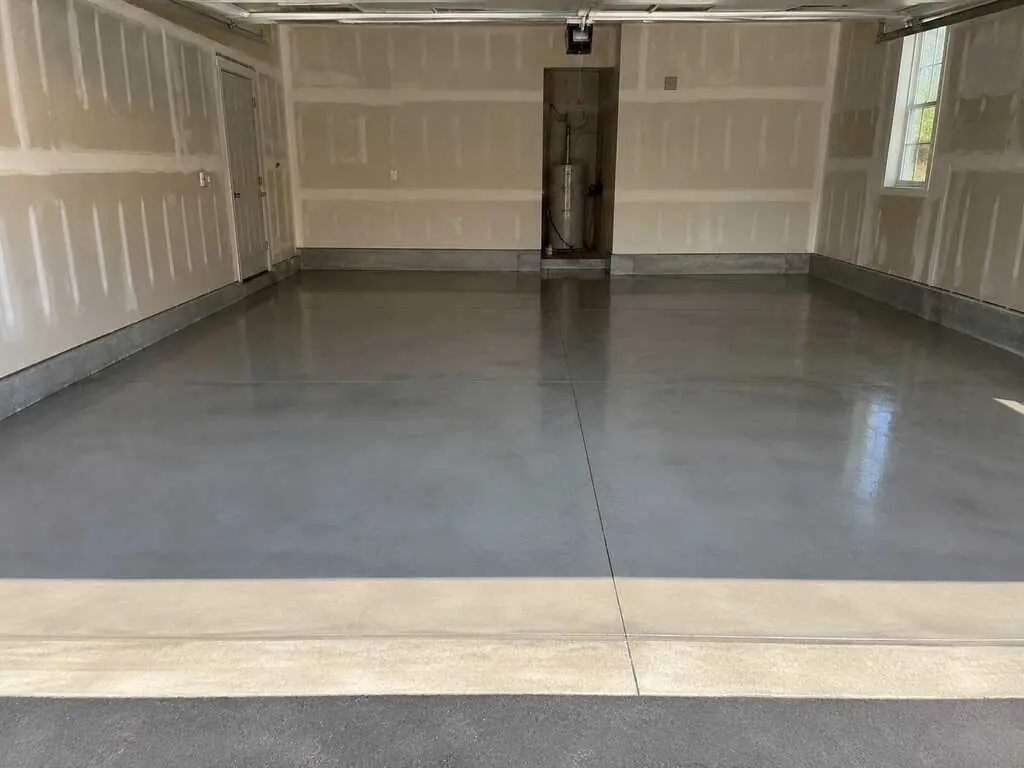
Flat, Hard & Ready for Anything
Pitted, cracked garage slabs torn out and repoured — steel-trowel smooth, pitched to the door, ready for cars, lifts or storage.
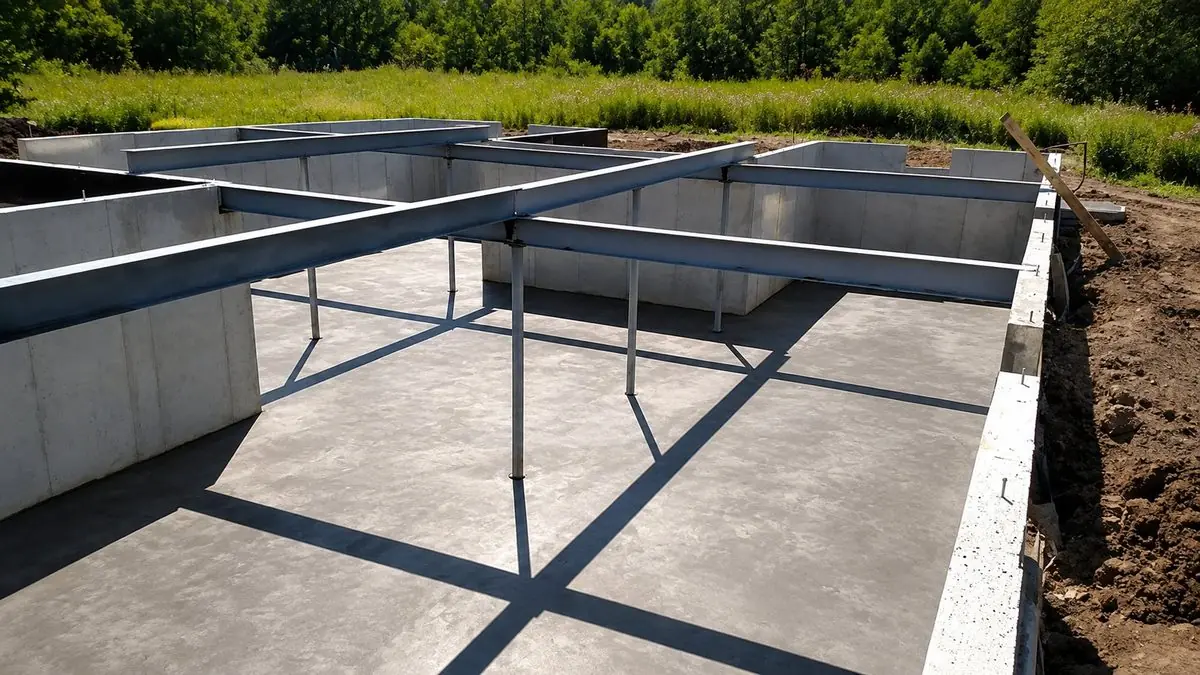
The Foundation of the Finish
New basement slabs poured flat and cured right — the base every finished basement project stands on.
Flat Enough to Brag About.
Garage and basement floors are unforgiving — every wave and low spot shows the first time water hits it or you roll a toolbox across it. We pour these floors to be genuinely flat, with a steel-trowel finish that's smooth without being slick.
Underneath, it's the same discipline as our driveways: compacted base, vapor barrier where conditions call for it, and the garage floor pitched subtly to the door so snowmelt drains out instead of pooling under the car.
Details That Decide How It Holds Up
Steel-Trowel Finish
Dense, smooth surface that wipes clean and takes daily use without dusting.
Pitched to Drain
Garage floors sloped to the door so snowmelt and washwater leave on their own.
Crack Control Built In
Joint layout and reinforcement planned for how slabs on grade actually behave.
Coating-Ready
A proper cure and finish means epoxy or polyaspartic coatings can go down later without surprises.
How We Build a Floor That Holds Up
A concrete floor is only as strong as what's under it and what's in it. Before any pour we compact the base so the slab has uniform support — a soft or uneven sub-base is the single biggest reason floors crack or settle, not the concrete itself. On top of that we plan reinforcement for how the floor will actually be used: welded wire mesh or rebar on a chair grid for garages carrying vehicle weight and lifts, fiber where it makes sense, and control joints cut on a layout matched to the slab's shape so it relieves stress at the joints instead of cracking at random.
Thickness follows the load. A standard residential garage floor is poured at four inches over a compacted base; we go thicker where a hoist, heavy truck or trailer will sit, and match the mix strength to the job rather than pouring everything the same. Basement floors are typically four inches as well, poured flat and level to give a finished basement a true, square base to build on. On the free estimate we tell you exactly what your slab needs — no upselling reinforcement you don't, no cutting corners where the load demands it.
What to Know Before You Pour a New Floor
Basement floors and moisture
Basements deal with ground moisture in a way garages don't, so a basement slab needs a vapor barrier under the concrete in most Metro Detroit homes — a poly sheet that keeps water vapor from wicking up through the floor and later trapping under flooring or a coating. We set the barrier and the base right before the pour, because there's no adding it after the concrete is down. If your basement has had damp or efflorescence issues, tell us on the estimate and we'll factor it in.
Repour or resurface?
When a garage or basement floor is cracked, heaved or pitted, the honest long-term fix is usually tear-out and repour on a corrected base — not a thin overlay sitting on top of the same problem, which tends to crack again in a season. We pour new, reinforced, coating-ready floors rather than skim-coat over a failing slab. If a coating or polished finish is your goal, we prep the surface so your coating installer can go straight to work once it's cured.
What drives the cost
Every floor prices differently, but the levers are the same: square footage, thickness and reinforcement, whether an old slab has to be broken out and hauled away, the condition of the base underneath, crew and truck access, and any drain or vapor-barrier work. That's why we measure on-site instead of quoting blind — a clean new-construction basement slab and a cracked two-car garage tear-out are very different jobs. Your estimate is free and itemized so you can see where the number comes from.
Projects We've Done
Garage & Basement Floors FAQs
Can you pour a new floor over my old slab?
Usually the better long-term answer is removing the failed slab and re-pouring on a properly prepped base, so the same cracking or heaving doesn't return. We'll assess yours on the free estimate and tell you straight.
How thick is a garage floor?
Residential garage floors are typically poured at four inches over a compacted base, thicker where heavier loads sit. We match the thickness and reinforcement to how you use the space.
Will the floor be ready for epoxy?
Yes — we can give you a clean troweled finish suited for an epoxy or polished coating. New concrete needs to cure fully before coating, and we'll tell you how long to wait.
Do you control cracking?
Yes. We cut control joints so the slab relieves stress at the joints rather than cracking randomly across the floor.
How much does a garage or basement floor cost?
It depends on the size, the thickness and reinforcement the floor needs, whether an old slab has to be torn out and hauled away, and the condition of the base underneath. A clean new-construction basement slab prices very differently from a cracked garage tear-out. We measure on-site and give you a free, itemized estimate so you can see exactly what goes into the number.
Do I need a vapor barrier under a basement floor?
In most Metro Detroit basements, yes. A poly vapor barrier under the slab keeps ground moisture from wicking up through the concrete and later causing problems under flooring or a coating. We set the barrier and base before the pour, since it can't be added afterward.
Can you resurface my floor instead of replacing it?
For a floor that's cracked, heaved or settling, the lasting fix is usually removing it and repouring on a corrected base — a thin overlay on top of a failing slab tends to crack again. We pour new, reinforced, coating-ready floors rather than skim-coat over a problem, and we'll tell you straight which one yours needs.
How long before I can use a new garage or basement floor?
You can usually walk on it after 24 to 48 hours. Keep vehicles off a new garage floor for about seven days while it builds strength, and give heavy loads longer. If you're adding an epoxy or polished coating, the slab needs to cure fully first — we'll tell you how long to wait.
Get a Free Garage & Basement Floors Estimate
Tell us about your project and we'll give you a fast, honest quote. Get an instant ballpark online before we even visit.
Garage & Basement Floors Throughout Metro Detroit
From our home base in Livonia we serve a 30-mile radius across Wayne, Oakland and Washtenaw counties, including: